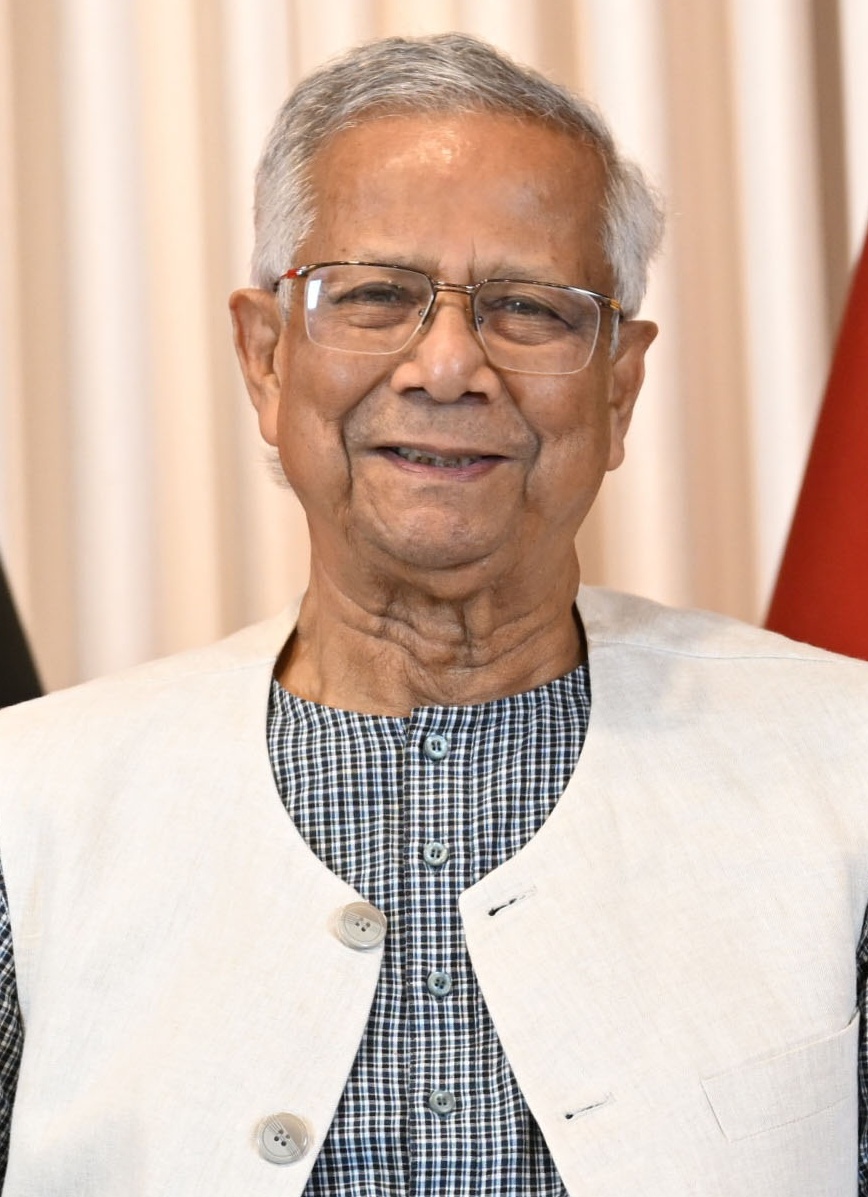
Microcredit Visionary: Muhammad Yunus and the Grameen Bank
In a world often driven by traditional economic models, one name stands out as a beacon of innovative social change: Muhammad Yunus. A Bangladeshi social entrepreneur, banker, economist, and civil society leader, Yunus is globally recognized for pioneering the concepts of microcredit and microfinance. His groundbreaking work, particularly through the establishment of the Grameen Bank, earned him and the institution the coveted Nobel Peace Prize in 2006. This article delves into the remarkable journey of Muhammad Yunus, exploring his early life, academic pursuits, the genesis of his revolutionary financial model, and his enduring legacy, while also shedding light on the unique perspective surrounding muhammad yunus net worth.
The Genesis of a Visionary: Early Life and Academic Foundations
Born on June 28, 1940, in Hathazari, a village in Chittagong (now Chattogram), Bangladesh, Muhammad Yunus was the third of nine siblings. His early years were spent in the rustic charm of the village before his family moved to Chittagong city in 1944. There, he attended Lamabazar Primary School, laying the groundwork for an impressive academic career.
Yunus proved to be a bright and active student, passing his Matriculation examination from Chittagong Collegiate School where he ranked an impressive 16th among 39,000 students in East Pakistan. His school days were also marked by an enthusiastic involvement in the Boy Scouts, an experience that took him to various international Jamborees in India, West Pakistan (1952), and Canada (1955), broadening his horizons early on. Beyond academics and scouting, Yunus also displayed a keen interest in cultural activities, often participating in and winning awards for drama.
His academic excellence continued at Dhaka University, where he enrolled in the Department of Economics in 1957, completing both his BA (1960) and MA (1961) degrees. Shortly after, he began his professional journey as a lecturer in Economics at Chittagong College in 1961. His intellectual curiosity led him across continents when he received a prestigious Fulbright scholarship in 1965, enabling him to pursue advanced studies in the United States. He successfully earned his Ph.D. in economics from the esteemed Vanderbilt University. Following his doctoral studies, he served as an assistant professor of economics at Middle Tennessee State University in Murfreesboro.
Throughout his formative years, Yunus's personal life also took shape. He is the son of Hazi Dula, a jeweler, and Sufia Khatun. In 1967, he married Vera Forostenko, a Russian Literature student, though their marriage was short-lived, resulting in the birth of their daughter, Monica Yunus. Later, he married Afrozi Yunus, a talented physics researcher, with whom he had another daughter, Deena Afroz Yunus, born in 1986. At 83 years old as of mid-2024, standing at 1.75 meters tall and weighing around 63 kg, Yunus remains a figure of profound influence.
The liberation war of Bangladesh in 1971 saw Yunus actively involved, founding a committee to raise support and publishing a newsletter from Nashville. After Bangladesh gained independence, he was appointed to the planning mission headed by Nurul Islam, underscoring his commitment to his homeland's development from the very beginning of his professional life.
Founding the Grameen Bank: A Paradigm Shift in Finance
The pivotal moment in Muhammad Yunus's career, and indeed in global economic history, arrived with his return to Bangladesh and his growing disillusionment with traditional banking systems. He observed firsthand how conventional banks systematically excluded the poorest segments of society, deeming them "unbankable" due to their lack of collateral and perceived creditworthiness. This realization struck him powerfully during the devastating famine of 1974, when he encountered a woman in a village near Chittagong who, despite her skill in making bamboo stools, was trapped in a cycle of debt to middlemen because she couldn't afford to buy raw materials.
This encounter ignited Yunus's resolve to find a solution. He started by lending small amounts—just $27—to 42 villagers from his own pocket, demonstrating that even the poorest individuals were capable of repaying loans and improving their livelihoods. This experiment, born out of empathy and economic insight, proved that trust, not collateral, could be the foundation of credit for the poor. The core idea was simple yet revolutionary: provide small, unsecured loans (microcredit) to entrepreneurs too poor to qualify for traditional bank loans, thereby enabling them to start or expand small businesses and break free from the clutches of poverty.
The success of this informal lending model led Yunus to establish the Grameen Bank Project in 1976, which was formally transformed into an independent bank in 1983 under specific government legislation. Grameen, meaning "rural" or "village" in Bengali, epitomized its mission. The bank's unique features included:
- No Collateral Required: Loans were issued based on trust and potential.
- Group Lending: Borrowers formed small groups, where members collectively guaranteed each other's loans, fostering mutual support and accountability.
- Focus on Women: Over 95% of Grameen Bank's borrowers are women, who Yunus recognized as more reliable in repaying loans and more likely to invest profits back into their families and communities.
- Simple Procedures: The lending process was designed to be accessible and transparent, removing bureaucratic hurdles.
- Regular Repayment Schedules: Small, frequent repayments made it easier for borrowers to manage their debts.
The Grameen Bank model not only provided financial access but also empowerment, particularly for women. It challenged the prevailing wisdom that poverty was insurmountable, proving that with even a tiny amount of capital, the marginalized could become self-sufficient. This radical approach truly marked a paradigm shift in how poverty alleviation could be approached globally.
Nobel Recognition and Global Impact
The profound impact of Muhammad Yunus's vision resonated worldwide, culminating in the joint award of the Nobel Peace Prize to him and the Grameen Bank in 2006. The Nobel Committee recognized their efforts "for their efforts to create economic and social development from below." This prestigious award brought unprecedented global attention to microcredit and solidified its position as a powerful tool for poverty reduction.
Yunus's work extended beyond direct lending. His concept of "social business"—businesses designed to solve social problems, with profits reinvested into the business rather than distributed to owners—inspired countless initiatives. Programs like "Info Lady Social Entrepreneurship," which empowers women in developing countries to provide information and services to rural communities, are direct descendants of Yunus's philosophy. His influence has been instrumental in the growth of the microfinance industry, which now operates in numerous countries, serving millions of the world's poorest.
For more insights into his significant contributions, especially his recent roles, you can explore Muhammad Yunus: Bangladesh's Chief Adviser & Nobel Legacy and Muhammad Yunus in 2024: Age, Education, and Nobel Peace Prize.
Muhammad Yunus: Beyond Personal Wealth – A Legacy of Empowerment
When considering figures of global influence, particularly those associated with finance or large-scale initiatives, questions about their personal wealth often arise. However, discussing muhammad yunus net worth demands a unique perspective, one that moves beyond traditional financial metrics. Yunus's life and career trajectory fundamentally challenge the conventional notion of personal wealth accumulation.
From the outset, Yunus dedicated his life to a mission far removed from personal enrichment. His work with Grameen Bank and his advocacy for social business models are inherently designed to create wealth *for others*, to lift communities out of poverty, rather than to accumulate assets for himself. Grameen Bank, for instance, is not a typical profit-maximizing corporation; it is owned by its borrowers, who are primarily poor women from rural Bangladesh. This structure ensures that the institution's success directly benefits those it serves, rather than external shareholders.
Yunus himself lives a modest life, consistent with his philosophy. His "net worth" cannot be measured by bank accounts, luxury properties, or investment portfolios in the way one might assess a CEO of a multinational corporation. Instead, his true "net worth" is profoundly measured in the millions of lives transformed, the countless entrepreneurs empowered, and the global movement for social justice he has inspired. He has consistently channeled his intellectual capital, his energy, and his global platform into advocating for a world free of poverty, where social problems are tackled with entrepreneurial zeal but without the imperative of personal profit.
His post-Nobel activities further underscore this commitment. He has established numerous social businesses under the "Grameen family" of companies, focusing on areas like renewable energy, healthcare, and information technology for the poor, all adhering to the principle of reinvesting profits for social good. His involvement in Bangladesh's political transition in 2024, serving as the 5th Chief Adviser, also highlights his continued dedication to public service and democratic governance, demonstrating a focus on national well-being over personal gain.
In essence, inquiring about muhammad yunus net worth in a conventional sense misses the point of his life's work. His legacy is not one of material accumulation but of radical social innovation and profound human empowerment. His wealth lies in the dignity he has helped restore, the opportunities he has created, and the blueprint he has provided for a more inclusive and equitable global economy.
Conclusion
Muhammad Yunus stands as a testament to the power of vision, empathy, and unwavering commitment to social change. From his humble beginnings in rural Bangladesh to achieving global recognition as a Nobel Laureate, his journey has been one of tireless dedication to humanity. Through the Grameen Bank and the concept of microcredit, he didn't just offer loans; he offered hope, dignity, and a pathway out of poverty to millions deemed invisible by traditional systems. His philosophy, extending into social business, continues to inspire a new generation of entrepreneurs to tackle societal challenges with innovative, sustainable solutions. The discussion around muhammad yunus net worth ultimately reveals not a figure of personal riches, but a colossal legacy built on empowering the world's most vulnerable, making him a true visionary whose impact reverberates far beyond any balance sheet.
